News
PhOENIX Project - Innovative educational tools for Photonics Training
PhOENIX is an interdisciplinary project led by ALPhANOV. Over the past three years, it has brought together PYLA, a training center, the CATIE - Centre Aquitain des Technologies de l'Information et de l'Electronique, and Photonics France, with a shared goal: to develop innovative digital tools to transform learning in photonics.
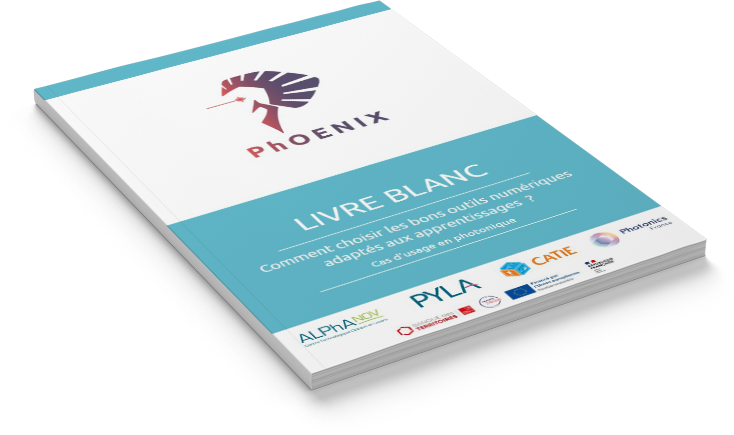
White paper
HOW TO CHOOSE THE RIGHT DIGITAL TOOLS FOR LEARNING?
This white paper summarizes the project's key insights and the methods developed. It is intented for all stakeholders involved in the design, use, and dissemination of educational technologies, including developers, trainers, teachers and decision-makers.
Addressing the challenges of Photonics training
The photonics sector is growing rapidly, creating an urgent need to train new talent. Existing training programs must adapt to a diverse audience, whose prior qualifications and access to resources vary widely.
Digital tools, such as virtual reality, microlearning, and adaptive learning, are being developed to adress this diversity. However, research in educational sciences and ergonomics emphasizes that these tools can be ineffective if they are not designed with the learner's experience in mind and grounded in sound pedagogical principles.
Collaborative efforts driving innovation in educational training
In this context, the PhOENIX project had two main goals: to develop tools that facilitate and enhance training in the photonics sector and to produce methodological knowledge and resources for designing effective and relevant digital educational innovations.
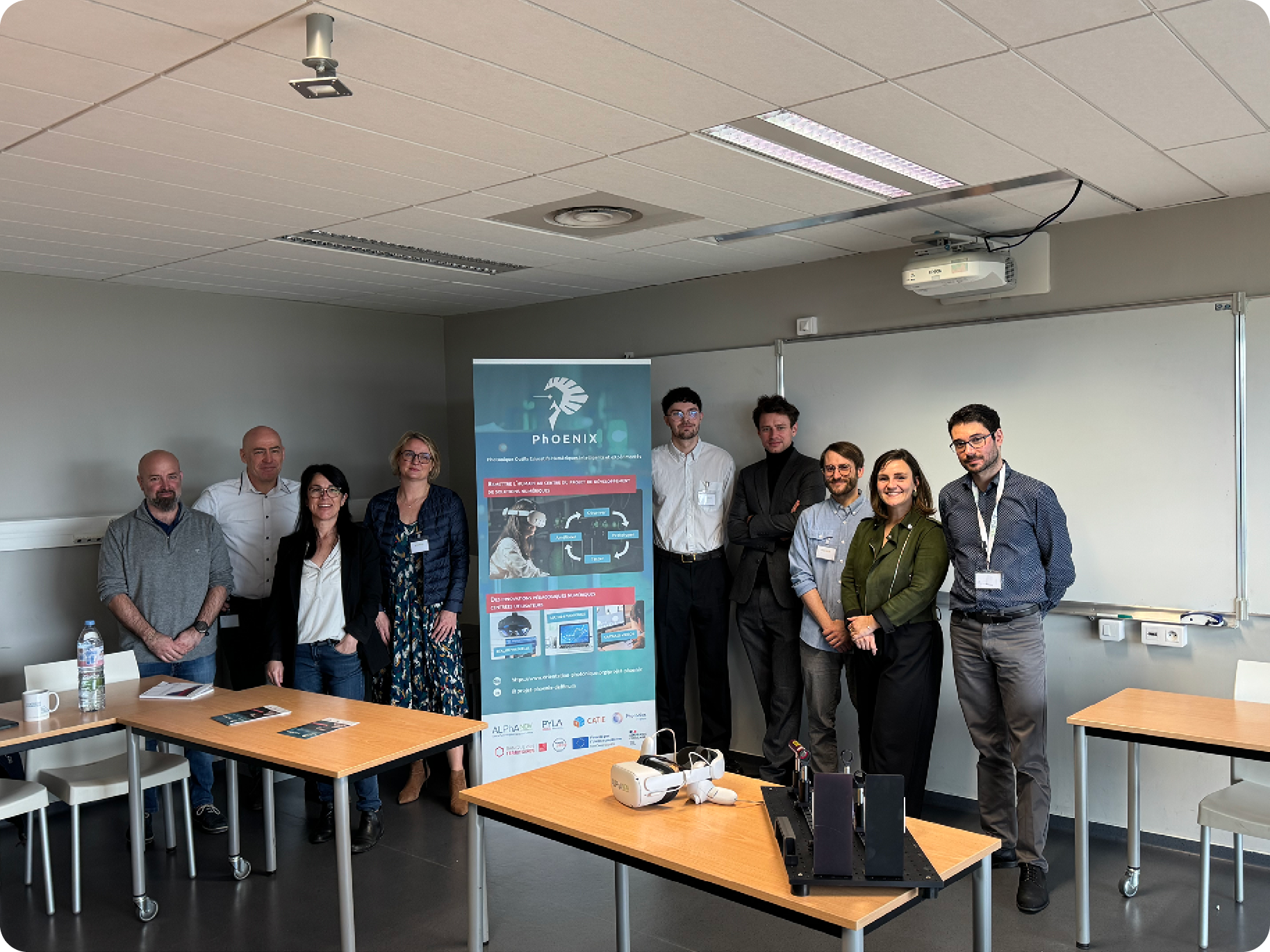 For three years, three major French organizations combined their expertise to achieve these goals:
- CATIE developed methodological building blocks for designing digital solutions. These resources, made freely available on the Peach² plateform in the form of best practice guidelines and evaluation tools, cover field analysis, design methodologies, digital solution assessment, and accessibility considerations.
- PYLA, ALPhANOV's training center, created several digital training tools for both initial and continuing education: virtual reality practical exercises for learning technical skills, educational videos, and math refresher modules applied to optics.
- Photonics France, the national photonics federation, managed communication and dissemination of the project results through its extensive network of academic and industrial stakeholders.
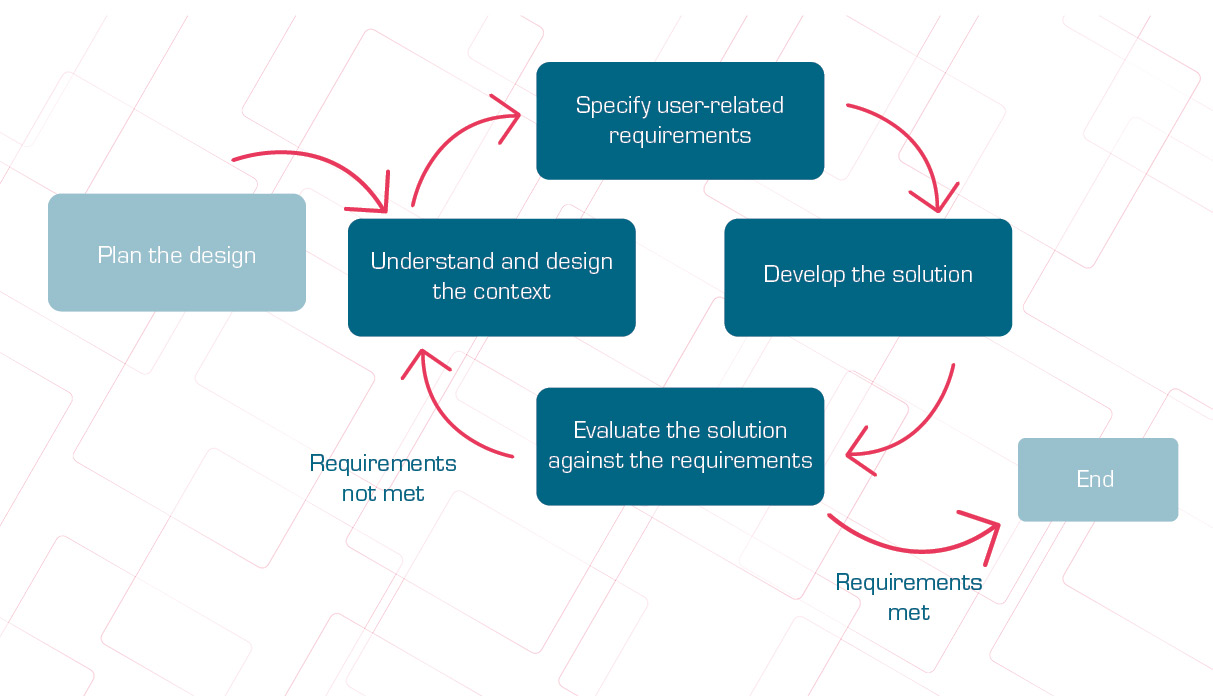
All of these tools were developed using an agile approach, combining iterative cycles, regular user testing, and continuous improvement, known as user-centered design (UCD). This "repeatable" approach allows the solution to be optimized as many times as needed.
Tools developed for the talents of tomorrow
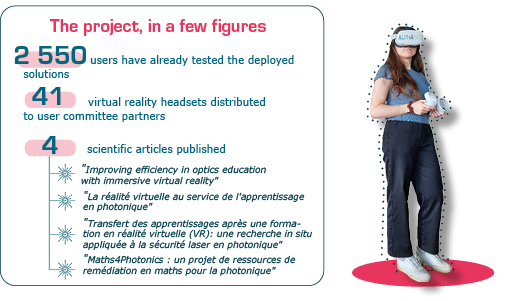
Today, the PhOENIX project concludes successfully and opens the door to new opportunities. The developed solutions, virtual reality and educational videos, are set to be expanded and more widely adopted in both academic and professional training.
The proven methodologies also enable the creation of future digital tools, in photonics as well as other fields, by building on shared best practices. The Math4Photonics exercise platform, freely accessible to the community, will help strengthen learners' skills and support their educational pathways.
The PhOENIX project is a winner of the DEFFINUM call for projects (Innovative Digital Training Devices), initiated by the Ministry of Labor, Employment, and Insertion as part of a comprehensive plan for the transformation and digitalization of training integrated into the Recovery Plan. This initiative is co-led by the General Secretariat for Investment (SGPI) and operated by the Banque des Territoires within the framework of France 2030.
White paper
HOW TO CHOOSE THE RIGHT DIGITAL TOOLS FOR LEARNING?
This white paper summarizes the project's key insights and the methods developed. It is intented for all stakeholders involved in the design, use, and dissemination of educational technologies, including developers, trainers, teachers and decision-makers.